Cessna 172F Rheostat (No Knob)
Cessna 172F Rheostat (No Knob)
Blog Article
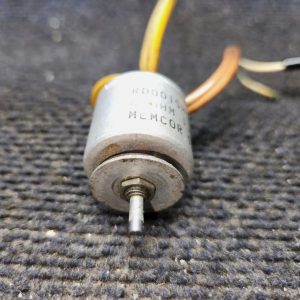
P/N RD0015H1600JBC may support scheduled electrical maintenance, panel-light troubleshooting, classic-aircraft restoration, or completion of a compatible cockpit project.
The Cessna 172F Rheostat can support cockpit illumination adjustment, while Cessna 172F Lighting Rheostat and Cessna 172F Panel Light Rheostat descriptions should not imply check here compatibility with every Cessna panel configuration.
Whether described as a Cessna 172F Cockpit Dimmer, Cessna 172F Instrument Light Control, Cessna Instrument Panel Rheostat, or Cessna Cockpit Lighting Control, exact circuit verification remains essential.
An Aircraft Lighting Rheostat, Aircraft Panel Light Dimmer, Aviation Lighting Control Rheostat, and Aircraft Instrument Lighting Control belong to the broader category of variable cockpit illumination components.
Cessna 172F Electrical Parts, a Cessna 172F Dimmer Switch, Cessna Panel Lighting Control components, and a Cessna Aircraft Rheostat may be sourced together during a complete cockpit electrical project.
Reviewing the RD0015H1600JBC Component
The P/N RD0015H1600JBC designation should be confirmed through markings on the rheostat body, tags, donor-aircraft information, packaging, photographs, and available maintenance records.
Informal cross-references should not replace verified specifications or appropriate aircraft electrical information.
Understanding the No-Knob Configuration
The original knob can provide a useful dimensional and style reference when it remains available.
Professional selection supports both cockpit appearance and dependable lighting adjustment.
How a Cessna 172F Rheostat Controls Lighting
Rotating the control changes the electrical resistance or control setting, allowing the pilot to select an appropriate lighting level.
An intermittent control may cause flickering, dead spots, sudden brightness changes, heat, or inconsistent illumination.
Avoiding Incorrect Dimmer Substitution
A rheostat associated with a Cessna 172F should not be advertised as universally compatible with every Cessna 172 variant.
A component that fits physically may still have the wrong resistance range, power capability, or internal construction for the circuit.
Inspecting the Rheostat Housing and Shaft
The shaft should rotate smoothly through its intended travel without excessive looseness, binding, roughness, or unexpected movement.
Mounting threads, nuts, washers, anti-rotation features, and panel-contact surfaces should be examined for wear or damage.
Checking Panel Lighting Connections
Clear wiring records reduce reconnection errors.
Wiring should be routed away from sharp edges, moving controls, heat sources, and locations where vibration can cause chafing.
Aircraft Electrical Bench-Test Considerations
Test equipment, methods, conditions, and results should be documented clearly.
Applying unconfirmed voltage or excessive load can overheat or permanently damage the rheostat.
Panel Light Control Failure Symptoms
These symptoms may result from internal rheostat wear, damaged terminals, loose wiring, failed grounds, defective lamps, overloaded circuits, or circuit-protection problems.
A dimming range that differs from the original may indicate an incorrect electrical value or altered lighting load.
Vintage Cessna Electrical Component Replacement
A Cessna 172F Rheostat can provide valuable restoration potential for owners preserving the appearance and function of an original-style cockpit.
A refurbished panel should avoid hidden wiring modifications, unsupported loads, or mismatched electrical parts.
Cessna 172F Electrical Parts for a Complete Repair
Each supporting component should be identified by function, part number, condition, and required quantity.
Donor-aircraft history may provide context but does not establish present serviceability.
Cessna Dimmer Switch Repair Considerations
A documented repair approach supports a more consistent result.
Opening the rheostat body without appropriate expertise can disturb internal contacts, insulation, windings, stops, seals, or calibration characteristics.
Evaluating a Used Aircraft Lighting Control
Components with clear donor-aircraft information, current photographs, and transparent test descriptions are easier for professional buyers to evaluate.
The listing should state whether the component is new, used, refurbished, tested, partially tested, untested, or offered for parts.
Panel Light Dimmer Condition Checklist
A pre-purchase review should confirm P/N RD0015H1600JBC, manufacturer markings, donor-aircraft details, electrical ratings, resistance range, shaft dimensions, terminal layout, physical condition, test status, included hardware, and documentation.
- Request detailed photographs of every marking, terminal, mounting thread, shaft surface, housing area, attached wire, repair, and included component.
- Do not treat smooth rotation, clean appearance, or donor-aircraft history as proof of electrical serviceability.
- Report shipping damage, missing hardware, identification differences, undisclosed repairs, or electrical-condition discrepancies promptly.
Shipping and Storing the Aircraft Rheostat
A rigid container with suitable padding can prevent the component from moving or contacting loose hardware.
Test records and identification information should remain associated with the component.
Fitting P/N RD0015H1600JBC
The replacement rheostat should be compared with the original component for ratings, terminal arrangement, mounting dimensions, shaft style, and circuit function.
Correct installation supports dependable Cessna Panel Lighting Control.
Abnormal heat, odor, intermittent operation, sudden brightness changes, or circuit-protection activation should receive immediate attention.
Routine Panel Dimmer Inspection
The component should receive attention after electrical faults, smoke, overheating, moisture exposure, panel work, wiring repair, or intermittent lighting behavior.
The control knob should not be pulled, twisted beyond its stops, or used as a support for other equipment.
Cessna 172F Rheostat Conclusion
When professionally inspected, tested, fitted, wired, documented, and maintained, the Cessna 172F Rheostat (No Knob)
Careful technical and commercial evaluation can reduce wiring errors, incompatible dimming behavior, missing-knob costs, installation delays, overheating, and unexpected electrical faults.
Whether the requirement is a Cessna 172F Rheostat, Cessna 172F Lighting Rheostat, Cessna 172F Panel Light Rheostat, or Cessna 172F Cockpit Dimmer, exact identification should guide the purchase.
With responsible purchasing, part-number research, controlled testing, secure mounting, and preventive electrical maintenance, the rheostat can remain a valuable cockpit asset.
Report this page